
Home Survey Cost Factors That Affect Pricing
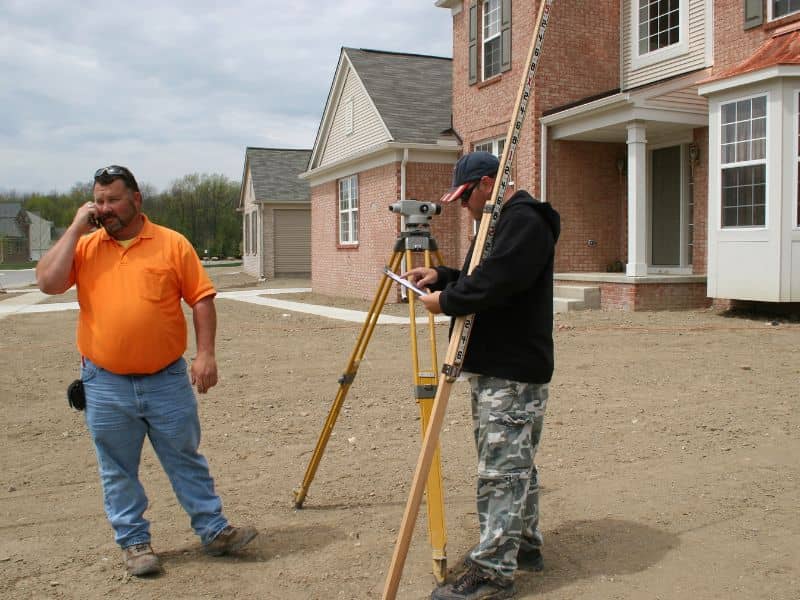
Two neighbors on the same street can get very different quotes for a home survey. One lot is flat, open, and backed by clean records. The other has thick woods, a creek, and deeds that haven’t been updated in decades. Same street, same week, and the price gap can be large.
Home survey cost depends on how much work it takes to find, measure, and prove your property lines. Size matters, but so do the land itself, the records behind it, and what you need the survey for. This guide is written for homeowners and home buyers, with notes for agents and builders too. If you know what drives the price, you can ask better questions and get a quote that fits your project.
How Property Size and Lot Configuration Influence Home Survey Cost
Bigger lots usually cost more to survey. There’s more ground to walk, more corners to find, and more lines to measure. A small lot in a newer subdivision may take a few hours in the field, while a multi-acre tract can take days.
Shape matters too. A simple rectangle has four corners and four straight lines. A lot with curves, many angles, or a long narrow strip has more points to locate and more chances for records to conflict.
The number of neighbors can also play a role. Each shared line has to be checked against the records for the lot next door. A lot surrounded by older or oddly shaped parcels often takes more research than one surrounded by lots from the same recent plat.
Why Terrain, Vegetation, and Site Access Affect Survey Pricing
Field crews have to see and reach the lines they measure. Flat, open yards are the easiest and quickest to work on. Steep hills, thick brush, and dense trees slow everything down.
Heavy cover may mean crews have to cut sight lines or set extra setups to get around obstacles. Creeks, ditches, and wet areas can add time as well. Rough ground also makes it harder to find old corner markers buried under leaves or soil.
Access counts too. A locked gate, a loose dog, or no clear path to the back of the lot can slow a crew down. Let your surveyor know about any access issues before they arrive, and clear the way when you can.
How Existing Survey Records and Boundary Evidence Affect Costs
Records are a big part of home survey cost. Before going into the field, the surveyor studies deeds, plats, and prior surveys for your lot and the lots around it. Clear, modern records make that step faster.
Surveying older homes can take more work. Deeds may describe lines using old trees, fences, or roads that no longer exist. Some descriptions don’t match the plat, or two neighbors’ deeds overlap. Sorting that out takes research time and careful judgment.
Physical evidence matters just as much. Corner markers, usually iron pins or concrete monuments, help the surveyor confirm the lines. If markers are missing, disturbed, or buried, the crew may need to search longer or reset them, which can raise the price.
Comparing Survey Requirements for Different Residential Property Projects
Not every home survey is the same, and the type you need affects the cost. A boundary survey finds and marks your property lines. A mortgage or closing survey may show the home, driveway, and other improvements in relation to those lines. A topographic survey maps ground elevations for design work like an addition, pool, or retaining wall.
Projects that combine needs cost more. Building a new home might call for a boundary survey, topographic data, and later construction staking. A flood zone property might also need an elevation certificate.
Requirements vary by lender, title company, permit office, and project scope. Before you order, ask who will use the survey and what they need on it. Ordering the wrong type can mean paying twice.
What to Provide When Requesting a Home Survey Cost Estimate
A good quote starts with good information. The more you share up front, the closer the estimate will be to the final cost. It also helps the surveyor schedule the right crew and time.
Gather these items before you call:
- The property address and parcel number, if you have it
- A copy of your deed and any past surveys or plats
- The reason you need the survey, such as closing, fence, permit, or dispute
- Your deadline, especially if a closing or permit depends on it
- Any known issues, like missing markers, neighbor concerns, or access limits
Ask what the quote includes and what could change it. Some surveyors charge more if they find record problems or need extra field time. A clear scope helps you avoid surprises and compare quotes fairly.
Frequently Asked Questions
How much does a home survey cost?
Home survey cost varies based on lot size, terrain, records, and the type of survey you need. A small, simple lot usually costs less than a large wooded tract with old deeds. Your location and the surveyor’s schedule can also play a role. Ask local surveyors for quotes based on your specific property.
Why did I get different quotes from different surveyors?
Surveyors may price the same job differently based on their research, crew size, and what they include. One quote may cover marking corners, while another may not. Some may account for record problems up front. Compare the scope of each quote, not just the price.
Can I use an old survey to save money?
An old survey can help the new surveyor and may reduce research time. It may not be accepted for a closing or permit if it’s outdated. Changes like new fences, additions, or sheds won’t appear on it. Ask your lender, title company, or permit office whether an older survey meets their needs.
Does a survey cost more if markers are missing?
Missing corner markers often add time and cost. The surveyor may need to search longer, use other evidence, or set new markers. Old properties are more likely to have this problem. Ask whether your quote includes resetting markers if needed.
How long does a home survey take?
Field work on a simple lot may take a few hours. Research and drafting can add several days to a couple of weeks. Larger lots and complex records take longer. Order early if your closing or project has a set date.