
House Surveys and Why Older Homes Present Unique Challenges
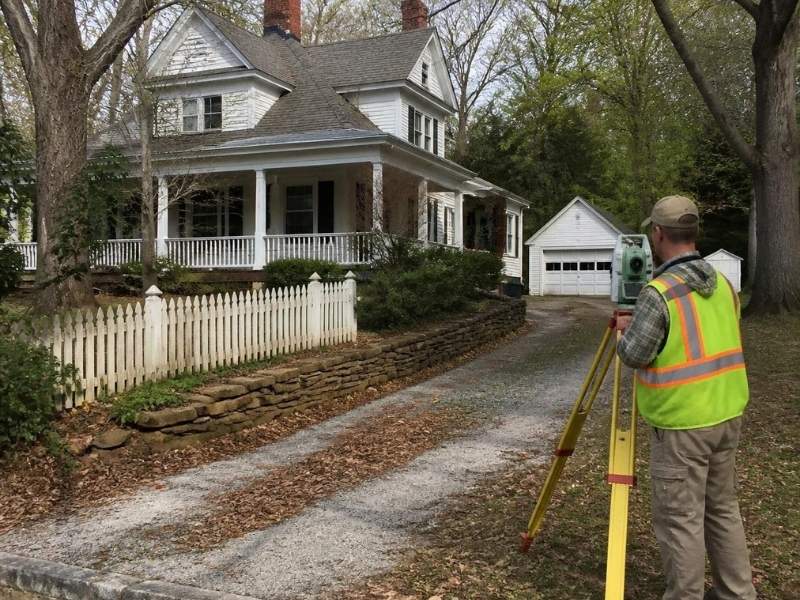
Old houses have charm. They also keep secrets. A century-old home has changed hands and shape many times over the years. House surveys map what an older property looks like today and compare it to the records on file. For developers eyeing an older home, that check often turns up surprises. The older the house, the more there is to untangle.
Here’s the takeaway. Age doesn’t make a survey impossible. It just means the surveyor has more history to sort through before the picture gets clear.
Why Older Homes Can Be Harder to Survey Than Newer Properties
A new home is simple to survey. It was built recently with modern records. The plans match the ground. Not much has changed yet.
An older home is a different story. Decades of change pile up. A porch was added in one era. A fence went up in another. A driveway was moved, and the yard was reshaped. Each change nudged the property away from its first records.
Repairs add to the mix. Owners fix and alter things over the years. Not all of it gets written down. So the paper record and the real home slowly split apart.
Property changes matter too. Land may have been sold off or added over time. A lot that was one shape in 1950 may look different now. Old deeds may describe a place that no longer exists on the ground.
All of this creates questions. A surveyor has to dig into each one. Where did the original line run? What changed, and when? Those questions take time and skill to answer. That’s why age can make a survey harder.
What House Surveys Can Reveal About Long-Changed Property Boundaries
Boundaries on older lots can get murky. The deed may describe one thing. The ground may show another. House surveys help sort out that gap.
The surveyor examines the boundary evidence. Old deeds, plats, and markers all get a close look. When they don’t match current conditions, the surveyor digs deeper. Each mismatch is a clue, not a dead end.
Here’s a common trap. People assume the fence is the property line. It often is not. A fence, wall, or driveway may sit inside or outside the true line. Owners build these features where it’s easy, not always where the line runs.
That mistake causes real trouble. A buyer thinks they own up to the fence. The deed says the line sits ten feet over. Now part of the yard is in question. A survey catches that before it becomes a fight.
So the surveyor checks each feature against the records. A fence is treated as a clue, not proof. The real boundary comes from evidence and deeds, not from where someone put a fence years ago.
When Original Property Markers Are Missing or Difficult to Find
Every survey looks for markers. These are the pins, stakes, and monuments set at the corners. On an older home, they’re often gone.
Time is hard on markers. An iron pin rusts away underground. A wooden stake rots. A stone gets moved by a plow or buried under years of soil. A marker set in 1940 may be long gone today.
Construction destroys them too. A new driveway can pave right over a pin. Landscaping can bury one. A past owner may have pulled one out without knowing what it was. Each lost marker makes the corner harder to prove.
When the markers vanish, the surveyor turns to history. Old records become the guide. A past survey may note where a pin once sat. A neighbor’s marker can help anchor the search. Even an old fence post can hint at a former corner.
The surveyor pulls these threads together. Surviving evidence plus historical records can rebuild a lost corner. It takes patience, but the line can be found again. A missing marker slows the work. It does not stop it.
Additions and Improvements That Changed the Original Site
Older homes rarely look like they did on day one. Owners add and build over the decades. Each addition changes how the home sits on its lot.
Think about all the things that get built. A porch on the front. A garage on the side. An extension off the back. A shed, a deck, or a retaining wall in the yard. Each one takes up space and shifts the layout.
These improvements can crowd the property lines. A garage added years ago may sit close to the boundary. A shed might even cross it. A driveway may run onto a neighbor’s land. None of this shows on the original plans.
Retaining walls deserve a mention. They hold back soil and shape the yard. They also sit at a fixed spot that may or may not respect the line. A wall built in the wrong place can spark a dispute later.
The survey looks at each of these features. It records where they sit against the real boundary. That shows whether any of them cross a line or a setback. For a buyer or builder, that’s key information. It reveals problems before they cost money.
Why Older Property Records Deserve a Closer Look
Paperwork is where an older-home survey really starts. The records hold the history of the land. A careful read of them can answer a lot of questions.
Deeds come first. The current deed and the older ones each tell part of the story. They describe the lines as they were understood over time. Reading them in order shows how the property took shape.
Historic plats help too. A plat is the map filed when the land was divided. An old one can show the original lots and corners. Past surveys add even more. Another surveyor may have solved some of these puzzles years ago.
Neighboring records matter as well. Your lot shares lines with the parcels around it. Those deeds and surveys describe the same shared boundaries. Comparing both sides can clear up a fuzzy line.
The real value comes from comparison. The surveyor checks the old records against the ground today. Where they agree, the line is solid. Where they clash, the surveyor knows to look closer. That check answers questions before they turn into problems.
For an older home, this work pays off. It clears up doubts before a purchase. It guides a safe renovation. It heads off a boundary dispute down the road. House surveys won’t erase a home’s messy history. They read that history and turn it into a clear picture you can build on.