
Boundary Surveying Helps Unlock Development Potential on Previously Undivided Land
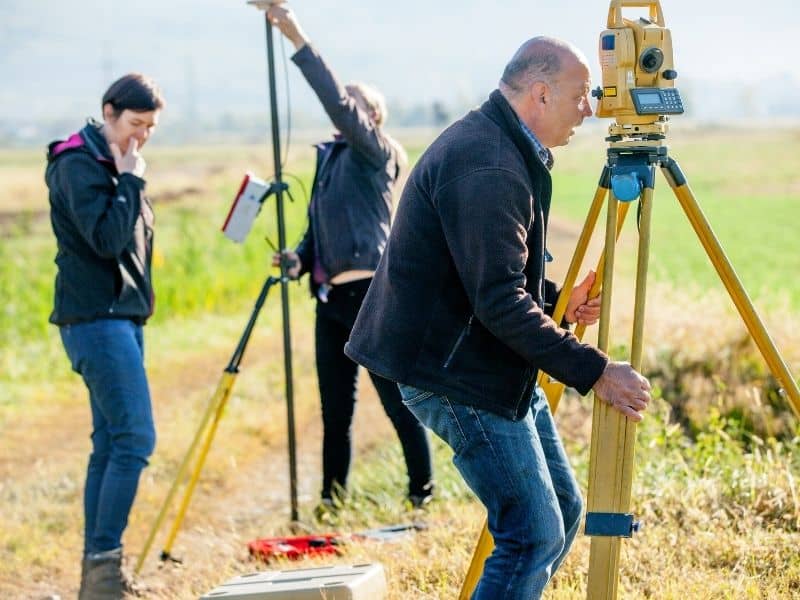
Many landowners hold large, single tracts of land that have stayed whole for years or even generations. This type of property often looks simple on paper, but it can hide limits that stop progress. Without clear divisions, the land cannot be sold in smaller parts, financed easily, or built upon in stages. Boundary surveying creates the exact measurements and legal lines needed to change this situation. It turns one large block into a set of defined lots, and opens up new ways to use, sell, or grow the value of the land.
Why Large Undivided Tracts Often Face Development Barriers
Land that has never been divided comes with its own set of problems. It exists as one single unit, and this structure restricts almost every major decision you might want to make. You cannot sell just a section of it to pay for other needs, or give a portion to family members without complicated legal steps. Banks and lenders also look closely at undivided land, because its true usable size and shape are not clearly marked. This makes it harder to get loans for building or improvements.
Local rules add another layer of limits. Most towns and counties have specific standards for how land can be used. A large parcel may not fit neatly into current zoning plans, and officials often ask for clear boundaries before approving any work. Without formal divisions, you cannot apply for permits to build homes, install utilities, or add roads. Even if you want to use part of the land yourself, the lack of defined lines can cause confusion about where your rights end and public or neighboring rights begin.
These barriers do not mean the land has no value. They simply mean the value stays locked away until clear lines are drawn. Boundary surveying removes these blocks by giving the property a clear, organized structure that everyone can understand and accept.
Establishing New Parcel Configurations Through Boundary Surveying
Boundary surveying is the first step to creating separate, legal lots. It starts by finding and marking the true outer edges of the whole property. Surveyors use official records, physical markers, and precise tools to confirm where the land begins and ends. Once they have that outer frame, they work with you to map out how to split the inside into smaller sections.
Each new lot gets its own size, shape, and set of coordinates. These details are recorded in official documents that become part of the land’s legal history. The work follows strict rules so every new parcel meets local standards. This process does not just draw lines on a map. It creates properties that stand on their own, each with its own identity and rights.
When this work is done, the land changes from one unknown block into a collection of clearly defined spaces. This makes it possible to plan exactly what will happen on each lot, whether you build on it, keep it, or offer it for sale.
Evaluating Road Frontage Requirements Before Land Division
Nearly every area has rules about how much of a lot must sit along a public road. This measurement is called road frontage. It ensures that every property has safe and legal access for vehicles, emergency services, and utility lines. If a new lot does not meet the minimum requirement, it cannot be approved or used for most types of development.
Boundary surveying measures this distance exactly. It shows how much frontage each proposed lot will have, and whether it fits within local guidelines. If the first plan does not work, the surveyor can suggest small changes to the layout. They might adjust the width or depth of a lot to make sure it meets the rule without wasting usable space.
Checking this early saves time and money. You avoid submitting plans that will be rejected, and you make sure every new lot is ready for approval from the start. This step also helps you see how many usable lots you can actually create, so you set realistic goals for the project.
Supporting Easement Planning for Future Property Access
Sometimes, not every lot can sit directly next to a road. In these cases, the new lots need a legal way to reach the street or connect to water, power, and sewer lines. These designated paths are called easements. They give one property the right to use a small strip of land that belongs to another.
Boundary surveying maps out exactly where these access paths will go. It marks their width, length, and position so everyone knows their location. This work also sets clear rules for how the easement can be used, and who shares responsibility for its upkeep. When easements are drawn and recorded properly, they stop arguments later about who can cross where or who pays for repairs.
A good layout of easements keeps the whole development working smoothly. It makes sure no lot gets trapped without a way in or out, and it keeps space open for the pipes and cables that make modern life possible.
Increasing Property Flexibility Through Strategic Lot Creation
Dividing land with the help of boundary surveying opens up many new choices. Instead of being stuck with one big piece, you gain the freedom to use the land in ways that fit your current and future needs. You can sell one or more lots to raise funds, while keeping others for personal use. You can also build on one section at a time, spreading out costs and work over several years.
For families, this division makes it easier to pass property to the next generation. Each person can receive a clear, defined lot without the confusion of shared ownership. For investors, divided land often has a higher total value than one single parcel. Smaller lots attract more buyers and can be developed faster than large blocks.
Every new lot you create comes with its own legal description and future. This flexibility lets you adapt to changing plans, market conditions, or personal goals. Boundary surveying does more than just draw lines, it gives the land a clear path forward.
Frequently Asked Questions
What is the purpose of boundary surveying when dividing land?
It finds and marks the exact edges of the whole property and maps out where new dividing lines will go. It creates measurements and records that are accepted by local offices, banks, and buyers. This work turns one large tract into separate, legal lots.
Can a boundary survey help create new legal parcels?
Yes. The information from the survey becomes the base for official documents that list each lot’s size, shape, and location. When these records are filed, each new lot becomes its own legal property with its own rights and description.
Why is road frontage important during land division?
Local rules require a minimum amount of frontage to make sure every lot has safe access to roads and public services. Boundary surveying measures this distance for each proposed lot, so you know right away if the plan meets the standard.
How do easements affect newly created lots?
Easements give legal rights to use a small part of land for access or utilities. They are marked clearly during the survey, so owners know where these paths sit and how they can be used. Proper planning prevents conflicts and keeps every lot connected to what it needs.
What benefits can come from dividing previously undivided land?
It gives you more ways to use, sell, or build on the property. It makes financing easier, increases total value, and simplifies transfers to family or other owners. Each new lot becomes a flexible asset that fits your plans for the future.